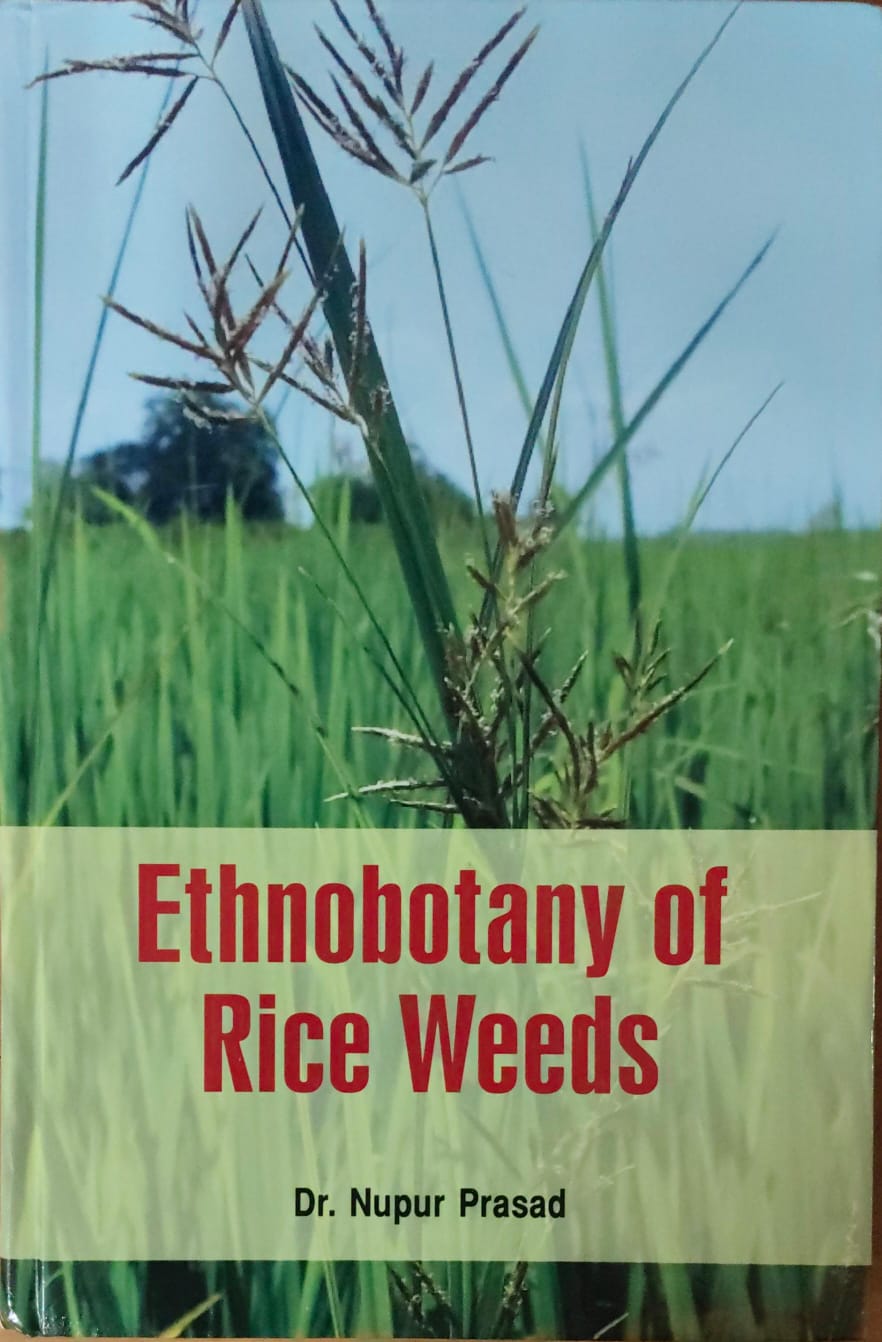
Several rice weeds play an important dietary role among rural poor. The weeds like Echinochloa crus-galli and Echinochloa frametaceae are used as human food in several Asian countries. Grain amaranths which are major weeds in upland ecosystem in a staple diet of many tribal of India subcontinent. Rice not only does not contain any cholesterol, but brown rice may have a cholesterol lowering effect due to the oil makeup of the bran. Rice-bran oil lowers cholesterol more effectively than sunflower, corn and safflower oils. The selective forces imposed by agricultural practices have resulted in the evolution of agricultural races of weeds or agroecotypes. Some agroecotypes are intimately associated with a specific crop. Such associations can involve a system of mimicry, whereby the weed resembles the crop at specific stages during its life history and, as a result of mistaken identity, evades eradication. Mimetic forms of weeds are most likely to be selected by hand weeding of seedlings or by harvesting and seed cleaning procedures. It is an indispensable book for every researcher, teacher, planner, and students to strengthen the agriculture and food security. Based on his own work over the number of years and that of others before him, the author presents in this book ethno biological value of rice weeds.
Contents:
Introduction
Weed Management in Rice
Rice Cultivation
Aquatic Organisms in Rice Based Farming
Models of Weedy Rice Evolution
Weed Risk Assessment in Plant Species
Tools to Evaluate Cold Stress in Rice
Parameters for Weed Crop Competition
Rice Germination and Seedling Development
| Title |
Ethnobotany of Rice Weeds
|
| ISBN-13 |
—
|
| ISBN-10 |
—
|
| Publisher / Imprint |
Random Publications
|
| Binding |
Paperback
|
| Edition |
1st Edition
|
| Publication Date |
2026
|
| Number of Pages |
—
|
Table of contents is being compiled for this publication.